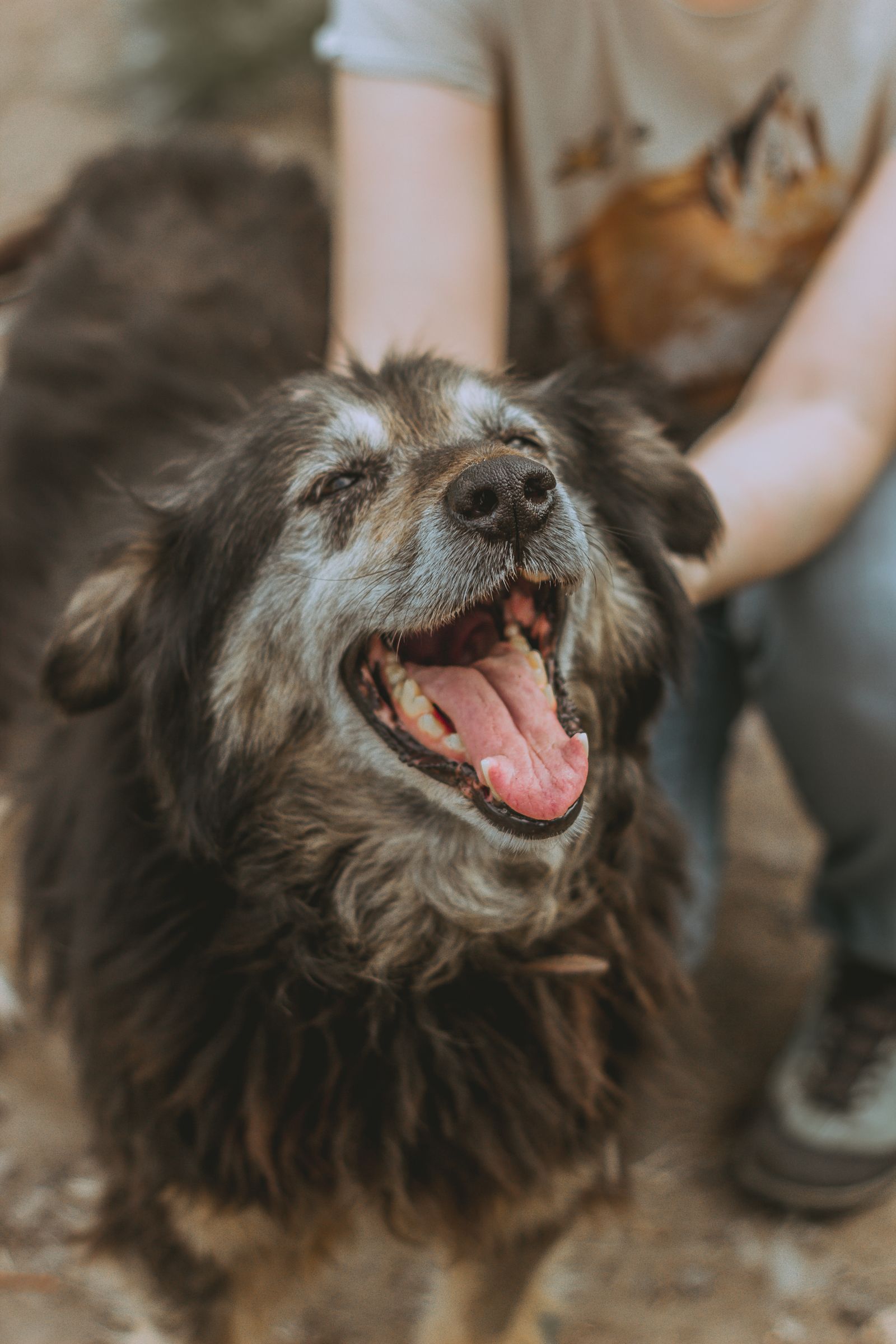
Senior pets often wait the longest for a home and can settle in quickly once they get there. If you want to know exactly who you are adopting, adopt an older animal.
What you already know about them
Their size, coat, energy level, and social preferences are fixed. Their current caregivers can often tell you whether a senior dog likes other dogs, tolerates cats, or needs a quiet house.
House training and basic manners are usually already in place, which means fewer chewed shoes and fewer 5 a.m. wake-ups.
The health question
Older pets are more likely to have health needs such as dental issues, arthritis, or chronic conditions. Ask what is known about the pet's health history before you adopt.
Plan for regular vet visits and talk with your own veterinarian about what ongoing care may look like and cost.
Making home comfortable
Rugs or runners on slick floors, an orthopedic bed, a ramp for the car or couch, and shorter, more frequent walks handle most of what an older body needs.
The adjustment period for a senior is often days rather than weeks. They know a good couch when they find one.
Give an animal a second chance
There are so many animals who still need a safe place to land. Whether you’re ready to adopt, open your home as a foster, or simply want to support our work, there’s a way to help.